
Running a proper night in means thinking about your home poker tournament blinds before the first card hits the felt. If you set the structure too tight, the game dies before midnight; too loose and players never feel the pressure. I have spent fifteen years managing €100M+ budgets across twenty markets, and the same discipline applies here as it does in a live room. You are not just shuffling cards, you are managing an event. For those who want to compare structured play later, you can check elvis frog trueways for additional context on game flow.
Building a Blind Structure That Fits Your Table
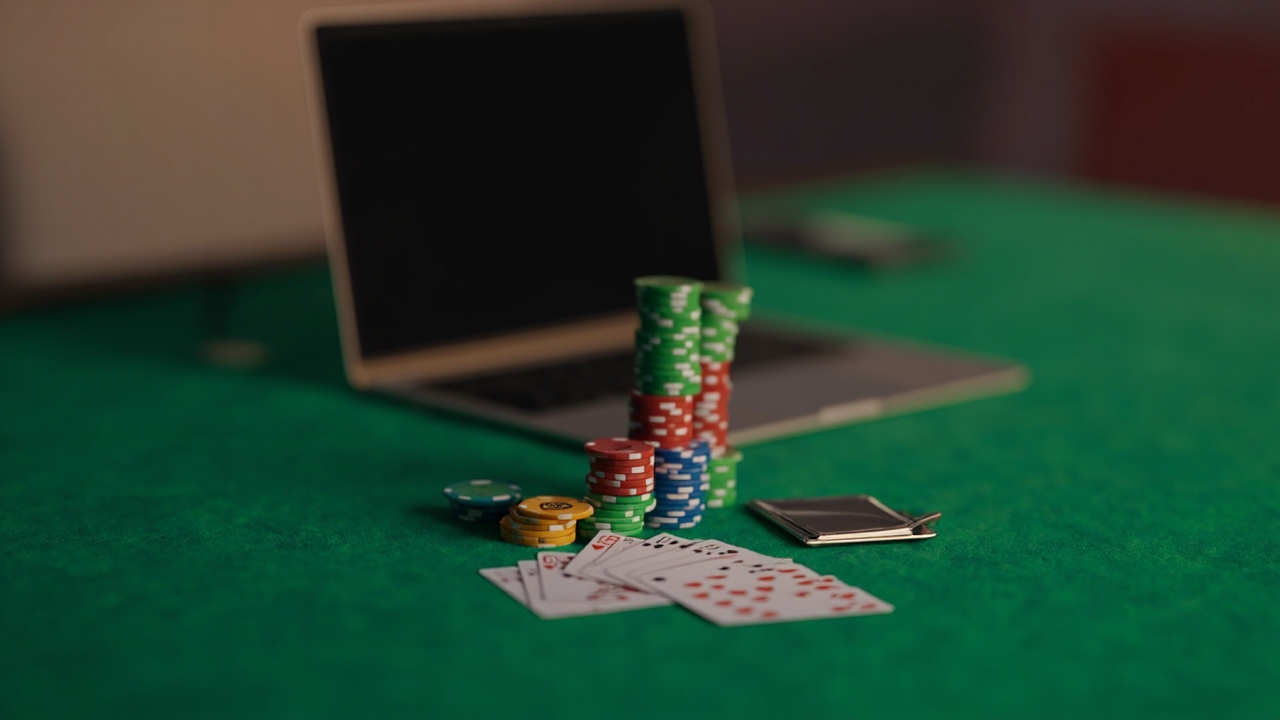
The first question to weigh is how many levels you want and how fast they climb. A flat structure suits a casual arvo with mates, but a competitive night needs escalation. I often tell my teams that pacing is everything, much like allocating spend across a campaign without burning the budget early. Start with blinds that let everyone see a few hands, then increase by twenty to thirty percent each level. If you have eight players, a fifteen-minute level works well; for four, push it to twenty minutes so people actually get to act. The goal is to force action without bankrupting the table in the first hour. You want the final table to feel earned, not rushed.
Keeping Value Alive Beyond the First Deal
You also need to decide whether there is any ongoing value for regulars who show up week after week. In a commercial setting, I would look for loyalty mechanics and repeat-play reasons that keep people coming back after the welcome bonus is gone. At home, this looks like a small prize pool for the top three finishers or a rotating host duty that keeps the stakes interesting. Some operators focus on recurring promos and cashback to maintain engagement, and you can mirror that energy by offering a side pot for the best bad beat or a free drink voucher for the longest survival. It is not about huge payouts, it is about giving people a reason to return next month.
What Most Players Get Wrong About Blinds
A common misconception is that higher blinds automatically mean a more exciting game, but the reality is far more nuanced. Push the numbers too high too soon and you will see players fold pre-flop just to survive, which kills the action completely. Lachlan McKenzie, Sports Betting Analyst, Tasman Gaming Partners, notes that structure dictates player behaviour more than the cards ever will. Chloe Patel, Independent iGaming Expert, Nullarbor Gaming Analytics, adds that a balanced curve keeps the field wide enough for a comeback. You need enough room for skill to matter, not just a race to the exit. Leo White, Gaming Technology Consultant, Coastal Wager Research, suggests testing your structure with a mock run before the guests arrive to catch any dead spots.
Glossary
- Blind: Forced bets posted before cards are dealt.
- Level: A set time period where blind amounts stay fixed. elvis frog trueways
- Escalation: The increase in blind sizes between levels.
- Antes: Small forced bets from all players once levels get high.
Getting the blinds right is less about maths and more about reading the room. If you want to keep the energy up without forcing people out too early, test your levels and adjust on the fly. No worries if you tweak the schedule mid-session, as long as everyone knows the rules before the next level starts.